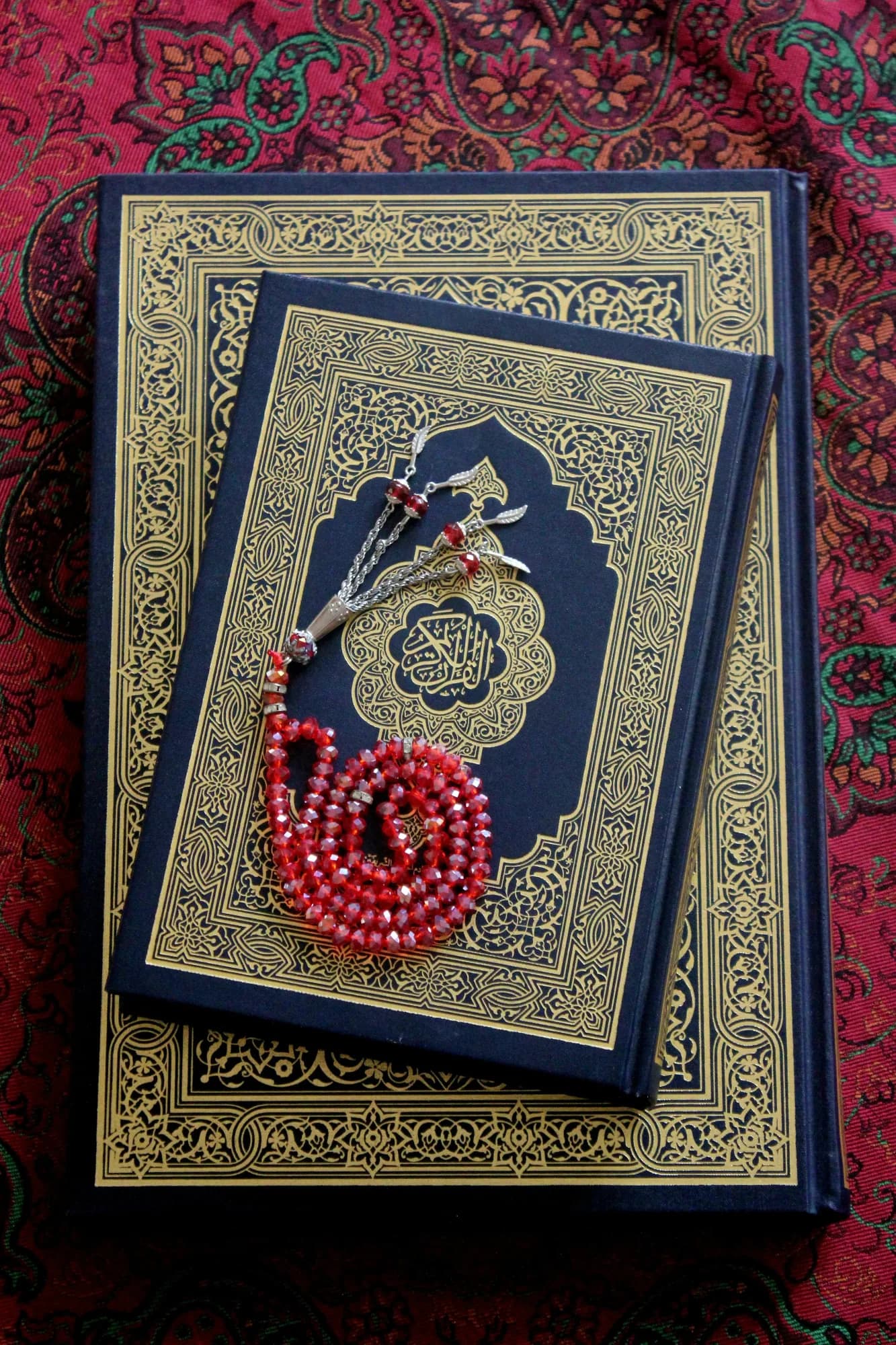
Online Quran Classes with Female Tutors
A female tutor is the single most common specific request we receive, and locally it is the hardest thing on this website to find. Most communities have one or two Hafizas covering every girl and woman who wants to learn, teaching in whatever hours are left over after their own families.
Online it stops being a scarcity problem and becomes a scheduling one. Classes are live, one-to-one, 30 minutes, with Ijazah-certified female tutors, at exactly the same price as any other class. Free 3-day trial, no card required.
Why this is difficult locally and straightforward online
The shortage is real, but it is a distribution problem rather than an absolute one. A community of five thousand people might have two qualified Hafizas, both teaching in the same two-hour evening window, both already full. Widen the pool to every qualified female teacher in Cairo, Amman and Karachi and the constraint simply stops existing.
The second thing that disappears is travel. A thirty-minute lesson that costs ninety minutes of driving is not a thirty-minute lesson, and it is the first commitment to go in a difficult week. Removing the journey is often what turns an intention into an actual two years of study.
What it costs you is the room: no shared tea afterwards, no other sisters in the class. For some people that is a real loss and worth naming rather than glossing over. For most of the women who write to us, it is the trade they would make anyway.
What “qualified” should mean, and how to check it
Hafiza and Ijazah are not the same credential and only one of them is about teaching. Hafiza means she has memorized the Quran. Ijazah means a named teacher has heard her recite it in full and certified her to teach it onward, in a chain that can be traced back through named people.
So the question to ask any academy, including this one, is not whether the tutor is a Hafiza. It is three specifics: who granted her Ijazah, in which riwayah — Hafs an Asim, for almost everybody reading this — and in what year. Somebody who holds one answers in a sentence. Somebody who does not will talk about experience instead, which is a real thing and a different thing.
You can ask any of our tutors this directly, in the trial, before you have paid anything.
Privacy, in practice
Recitation is taught by ear. If you would rather keep your camera off, say so at the trial — your tutor needs to hear you, not see you, and for an adult reciting from the Mushaf it changes nothing about the lesson.
There are two situations where it does matter, and it is more useful to say so than to pretend otherwise. A complete beginner working through a Qaida benefits from the tutor seeing which letter she is pointing at, although screen sharing covers most of that. And a young child's lesson generally goes better with the camera on, because a tutor who cannot see a six-year-old cannot tell whether she is still in the room.
Lessons are a scheduled Zoom or Google Meet call at a time you booked. There is no profile, no feed, and nothing public.
Learning alongside your daughter
A pattern worth knowing about: a mother and daughter on separate slots with the same tutor. The cost is two plans rather than one, and what you get for it is a tutor who knows exactly where each of you is — which produces the single most effective thing in a child's Quran learning, a parent at home who can hear the mistake.
Sharing one thirty-minute slot between two people is possible and we will do it if you ask. We would steer you away from it, because it halves the individual correction each of you receives, and that correction is the only thing you are actually paying for.
Courses available with a female tutor
Noorani Qaida
For complete beginners of any age.
Quran Reading (Nazra)
Fluency from the Mushaf, with Tajweed applied.
Tajweed Rules
Articulation, Madd, the rules of Noon and Meem.
Hifz
Memorization with a revision rota from the start.
Islamic Studies
Fiqh, Seerah and Hadith for daily life.
Translation & Tafseer
What the ayah you just recited actually says.
Three plans, one-to-one throughout, with a free 3-day trial and no card required to start. Full detail on the pricing page.
Common questions
- Will my tutor definitely be female?
- Yes, if you ask for one. Tell us when you book the trial, or at any point afterwards if your circumstances change, and we will not substitute a male tutor for a missed session without asking you first.
- Are classes one-to-one or in a group?
- Always one-to-one. We do not run group classes at all, for any audience — the entire reason this format is worth paying for is that somebody hears every letter you say.
- Do I have to turn my camera on?
- No. Mention it at the trial and your tutor will work audio-only. For adult recitation this costs the lesson nothing; for a complete beginner on a Qaida, screen sharing covers what the camera would have.
- Can my daughter and I learn with the same tutor?
- Yes, and many families arrange exactly that on two separate slots. One tutor then knows both of your levels, which makes practising together at home considerably easier.
- What qualifications do your female tutors hold?
- The same as the male ones: verified Ijazah, with a chain of transmission they can name, plus an interview and background check before joining. Ask any of them for the details in your trial lesson.
- What if the tutor is not a good fit?
- Ask for a different one, at any point, without explaining why. Fit matters more than credentials for actually turning up every week, and there is nothing awkward about saying so.
Finding a Female Quran Tutor Online
Why female tutors are hard to find locally and straightforward to find online, what to check before enrolling, and how to arrange lessons for a daughter.
What Is Ijazah, and Why Does It Matter?
A licence to transmit, granted after reciting the entire Quran to a qualified teacher. What it certifies, what it does not, and how to check a claim.
How to Verify an Online Quran Tutor's Credentials
Anyone can claim Ijazah on a website. Here are the specific questions that separate a verified chain of transmission from a confident assertion.