Tajweed & Recitation
7 Tajweed Mistakes Almost Every Self-Taught Reader Makes
The recurring errors tutors hear in a first assessment — why they happen, how they change the meaning, and the drill that fixes each one.
6 min read
Learn the rules that govern correct Quranic recitation — articulation points, elongation, the common mistakes most self-taught readers make, and how to fix them.
Explore the Online Tajweed CourseThe recurring errors tutors hear in a first assessment — why they happen, how they change the meaning, and the drill that fixes each one.

What self-study genuinely covers, the specific ceiling it hits, and how to get the most from books and apps if a teacher is not an option right now.
Natural madd is two counts. The rest depend on what follows — hamza, a permanent sukoon, or a stop. Every type, with its length and the reason behind it.
The seventeen articulation points, grouped into five regions of the mouth and throat — with the contrast drills that fix the letters non-Arabic speakers merge.
Izhar, Idgham, Iqlab and Ikhfa cover all 28 letters between them. What each one does, which letters trigger it, and the exceptions worth knowing.
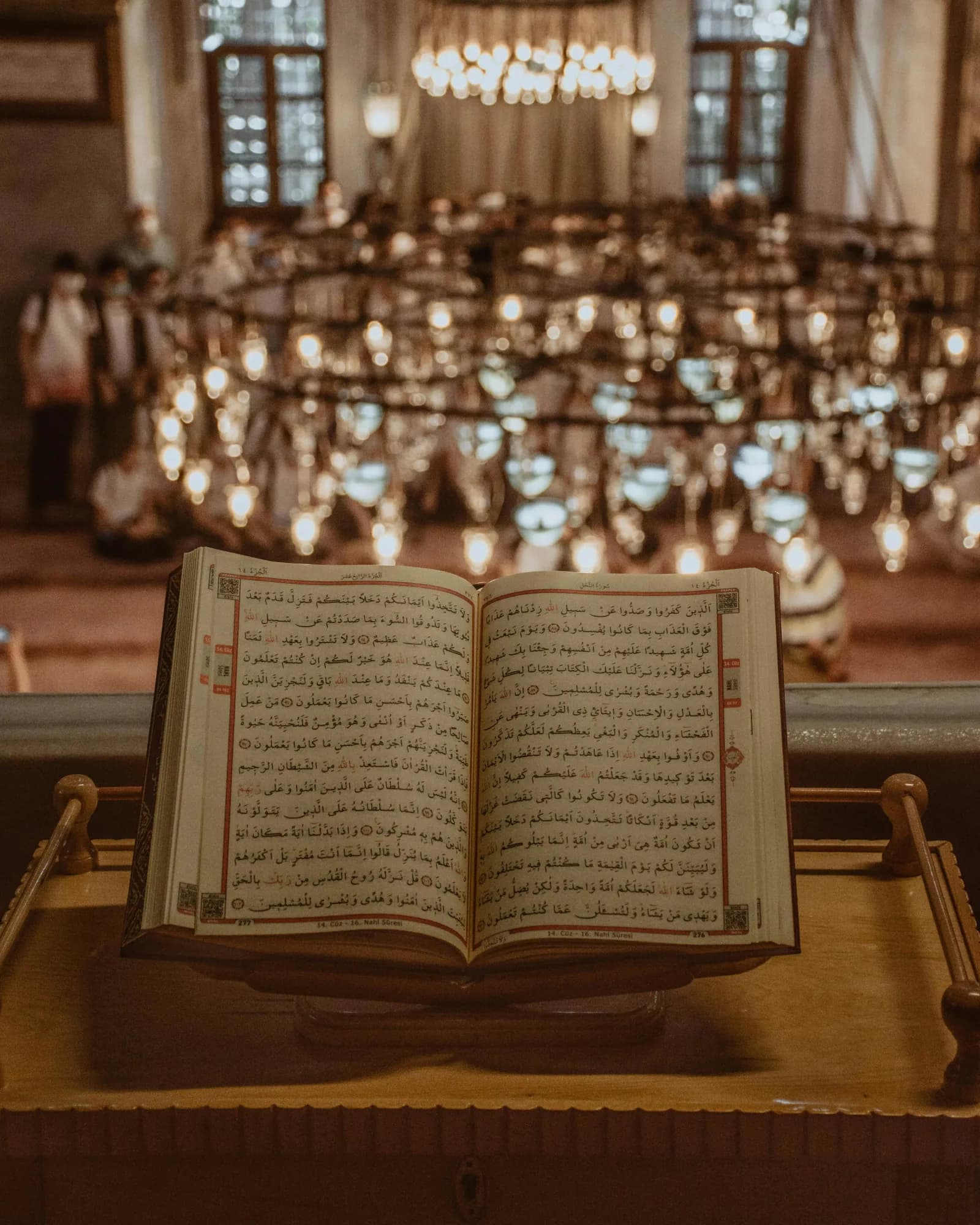
The three recognised speeds, why rushing collapses specific rules first, and how to build pace deliberately instead of hoping accuracy survives.
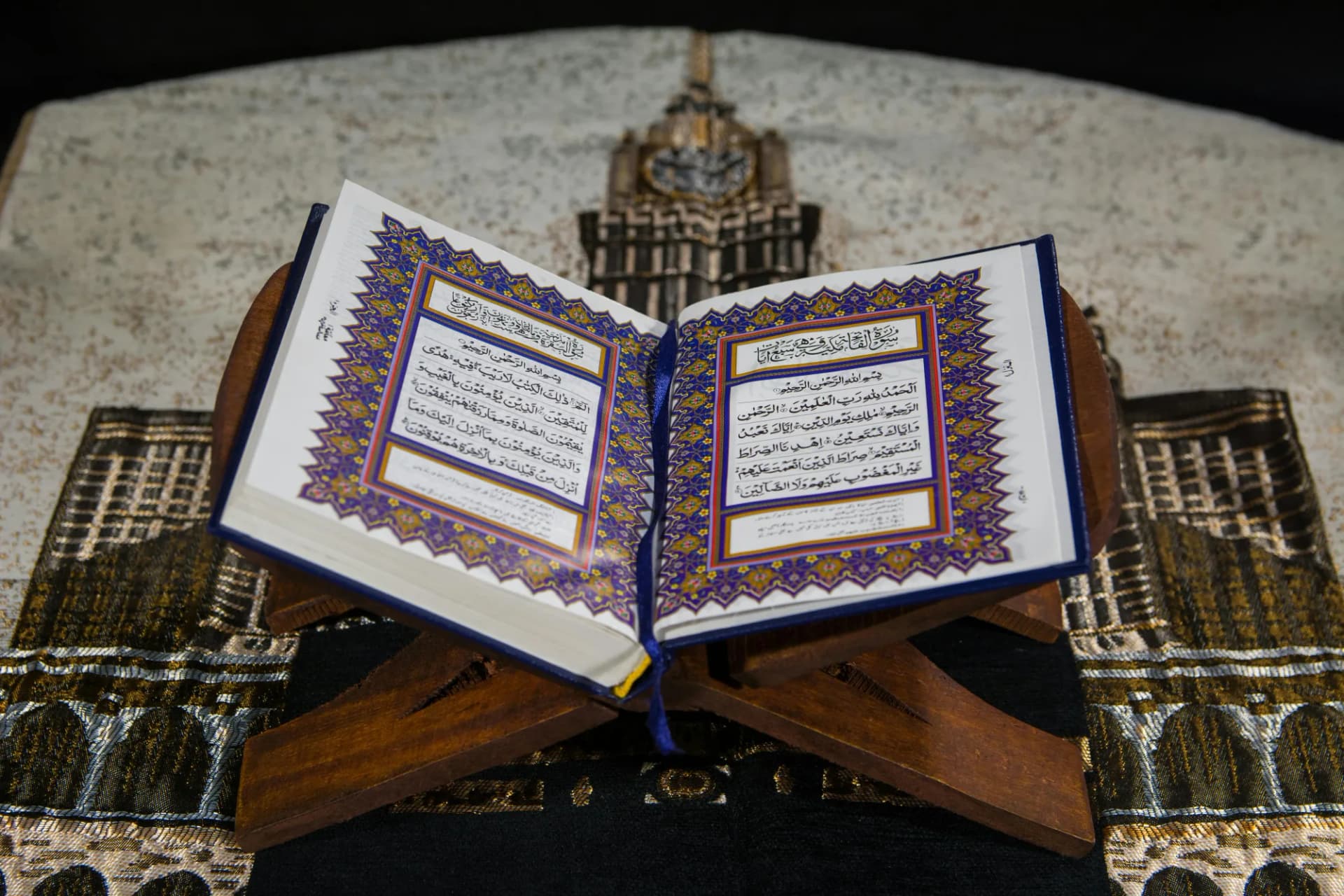
A licence to transmit, granted after reciting the entire Quran to a qualified teacher. What it certifies, what it does not, and how to check a claim.